An Ecosystem of Wellness: Integrating Nutrition into Whole-Child Education
One of the ways that sets Providence apart is our relentless commitment to serve the whole child. We believe education is not confined to books and ideas alone. It includes the body God has entrusted to each of our kiddos. Physical health matters. Energy matters. Clarity matters. And nutrition is a vital ingredient in raising healthy, capable humans.
In a world surrounded by less-than-optimal choices, we want our students to learn to be intentional about what they eat and how they nourish their bodies through this daily rhythm. That is one reason our students pack their lunches. We provide thoughtful guidelines and support so children can encourage one another toward wholesome options. We model healthy meals. We celebrate creativity. We praise thoughtful choices. Over time, something beautiful happens: children begin to see food not as restriction, but as stewardship.
As we continued asking how to deepen this commitment, we began searching for a food partner who shared our vision. After months of looking, we experienced what I can only call a joyful collision. We connected with Odessa’s Pots and Prayers, an entrepreneurial culinary company whose heart aligned with ours. Together, we began dreaming about how to teach children not only to eat well, but to understand food — where it comes from, how it fuels the body, and how wise choices shape a lifetime.
This partnership was even highlighted in the Alamance Chamber of Commerce newsletter — a celebration of what can happen when community collaboration serves children well.
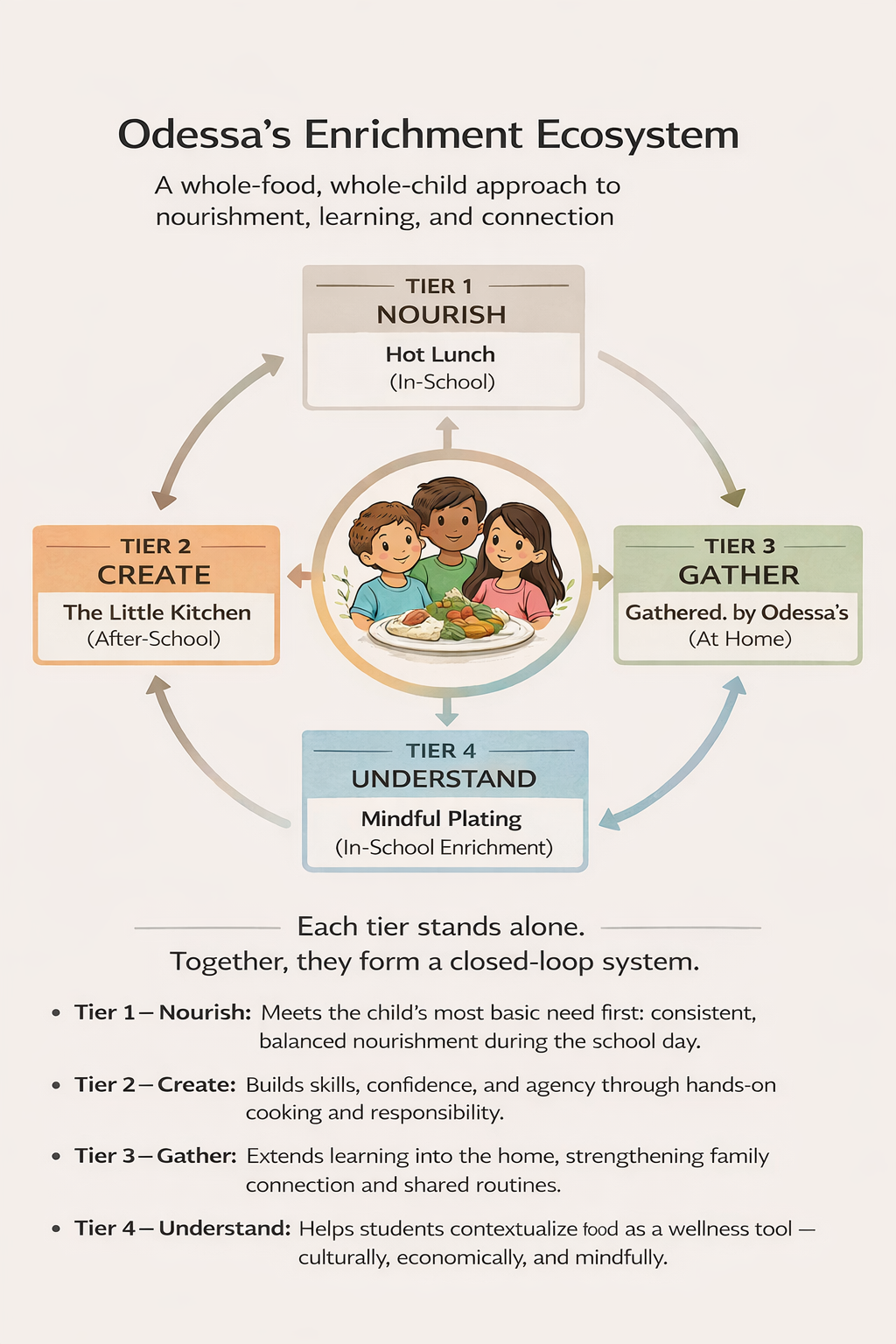
From these conversations, an incredible and growing ecosystem of food knowledge has emerged for our students. It now includes:
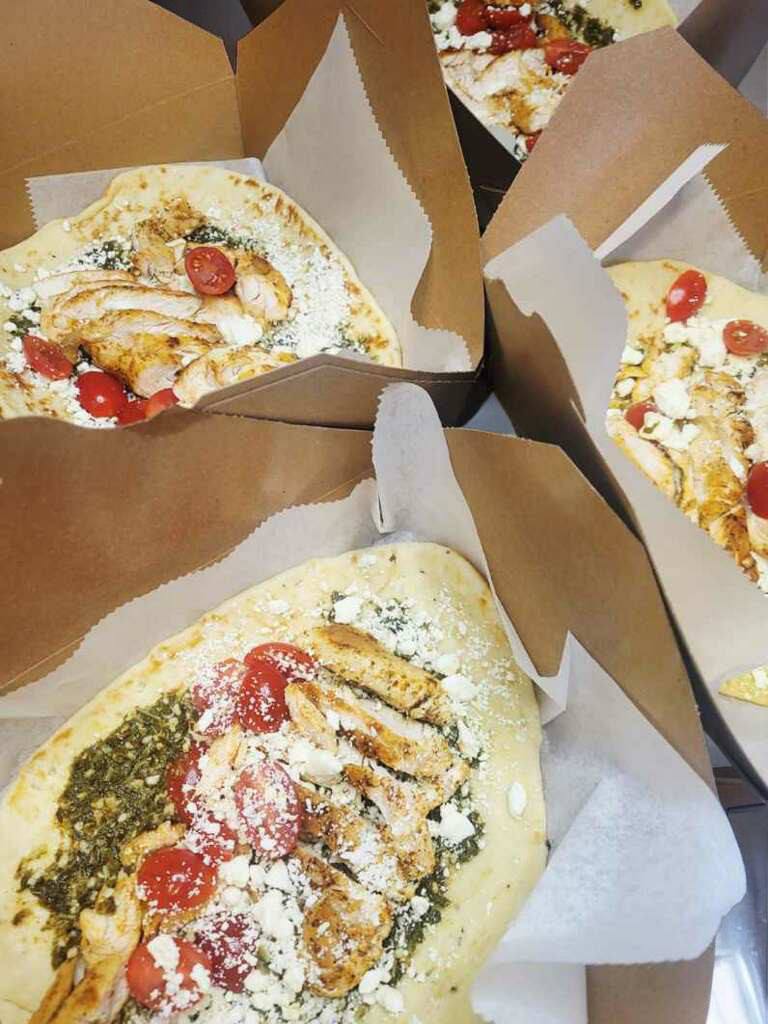
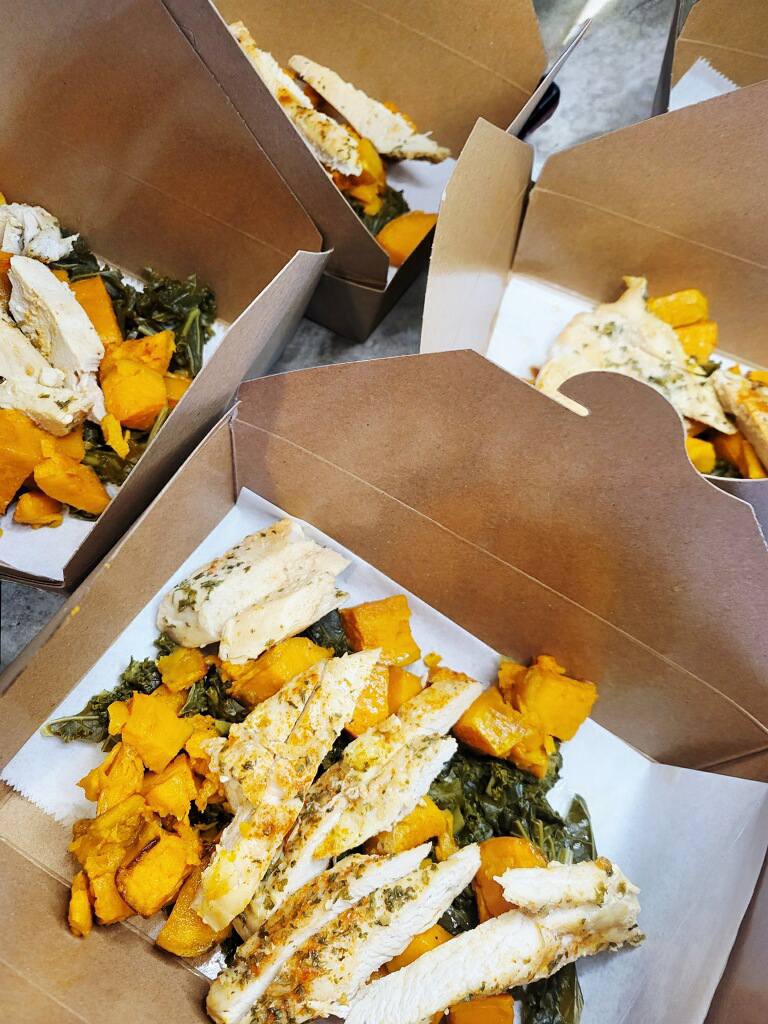
• A weekly hot lunch option featuring fresh, wholesome meals
• An afterschool cooking class focused on real food, real nutrition, and real culinary skills
• A weekly nutrition spotlight delivered directly from the chef, helping students connect science, stewardship, and daily habits
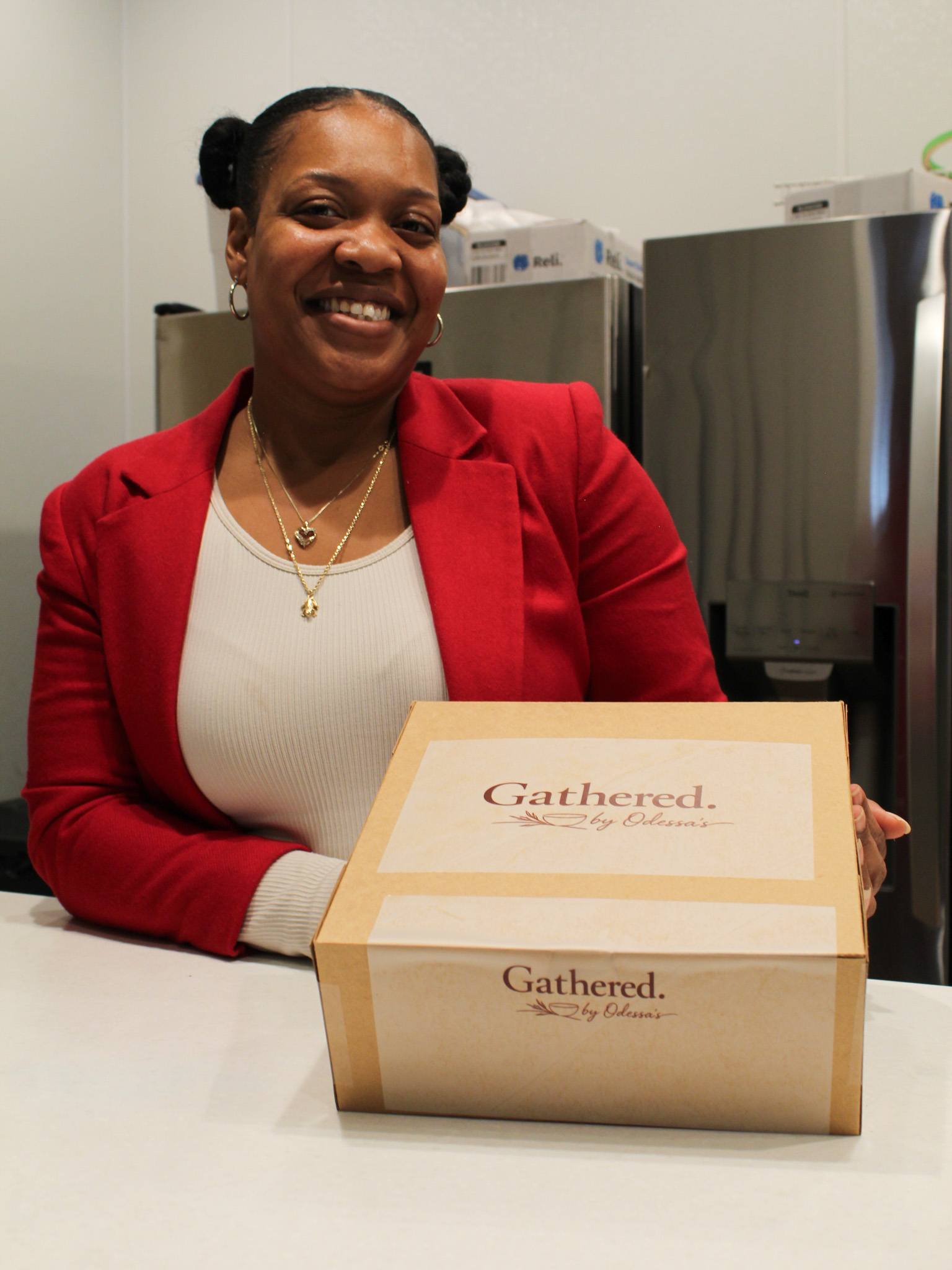
• Parent-child meal kits that allow families to host their own cooking experience at home — preparing a healthy meal together, building skills, confidence, and connection around the table
This is what whole-child education looks like in action. It is not an add-on. It is not a program. It is an integrated philosophy that asks, “What does this child need to flourish — spiritually, emotionally, intellectually, and physically?”
We will continue pressing forward, always asking how to serve at the next level — because when we form children with intention, we are shaping not only healthy students, but healthy leaders for the future.