
Respected and Empowered as Capable Contributors
In a world that often underestimates young children, a Montessori classroom does the opposite, it assumes competence. From the very beginning, children are trusted, respected, and empowered as meaningful contributors to their environment.
Even our youngest learners participate in purposeful work. They learn to wash their hands with care, put on their jackets, zip their shoes (sometimes on the wrong foot at first), and proudly master becoming “potty experts.” These everyday acts may seem small, but they build something profound: trust in themselves.
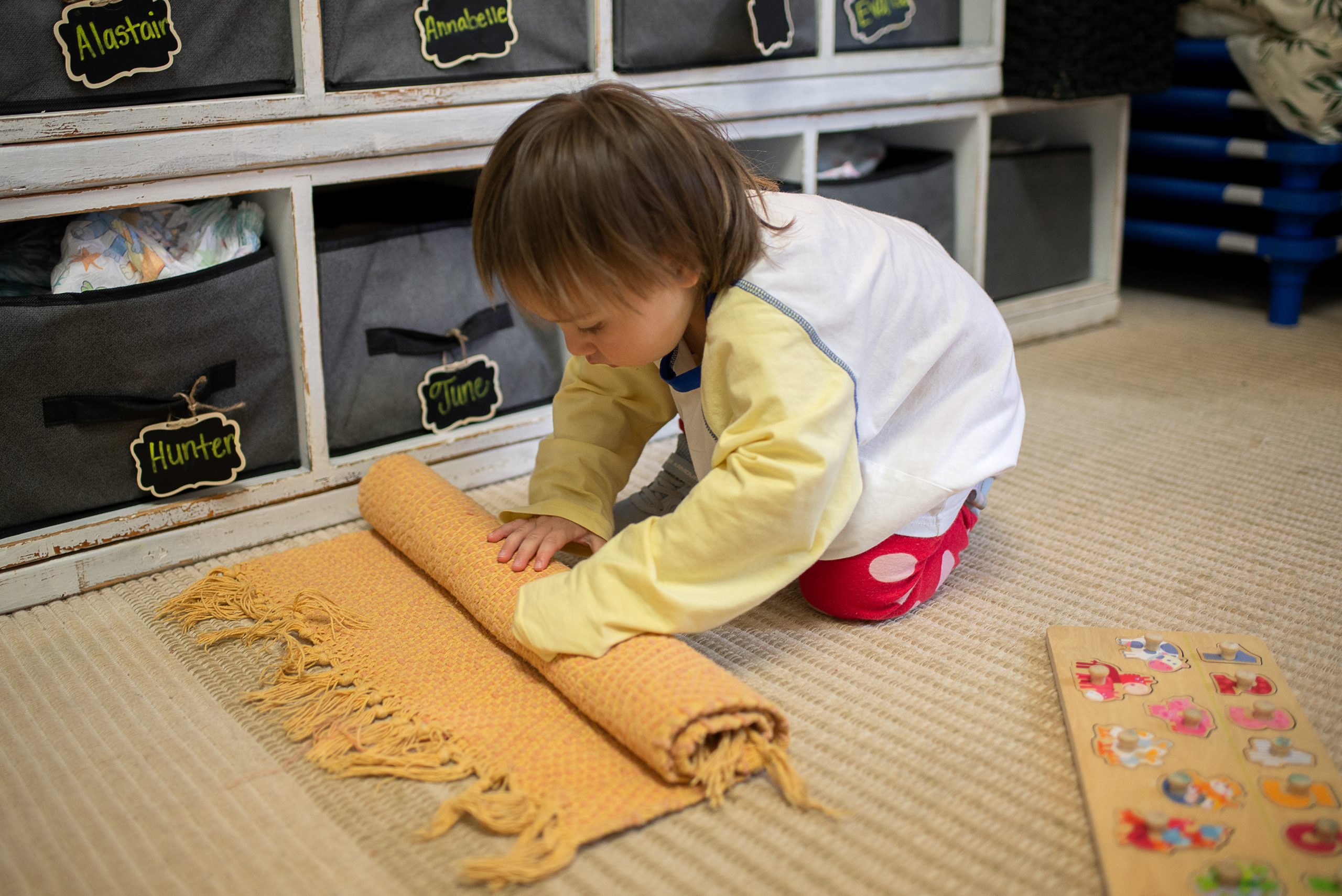
Children also care for their classroom, rolling rugs, cleaning tables, watering plants, organizing snacks. These are not chores. They are invitations to belong. The environment quietly communicates, You matter here. This is your space.
Academically, children explore letters, numbers, and language at their own pace. They repeat lessons until mastery takes root. They are never rushed or held back. Through multi-step processes, setting a table, counting beads, sewing buttons, children internalize an essential truth: I can do hard things when I take it one step at a time.
Parents often notice growing independence, confidence, and pride as children begin to say, “I can do it myself.” This sense of capability becomes a foundation for lifelong learning.
This reflection is drawn from a larger writing project by Denise Marti, Formed for More: Why Christian Montessori Education Makes All The Difference, which explores Christian Montessori education and the role families play in forming children for a life of faith and purpose.